Trek planning
Altitude Sickness on Nepal Treks: Prevention, Symptoms and When to Descend
How altitude sickness works, the ascent rules doctors recommend, the warning signs to watch for on the Everest and Annapurna trails, and how our itineraries build in acclimatisation.
By Shiva GiriPublished 7 min readFacts checked
Altitude sickness is the most common health problem on Nepal's high treks, and it can affect anyone — fitness does not protect you. The good news is that it is largely preventable by going up slowly, and dangerous only if you ignore the warning signs.
Who is at risk?
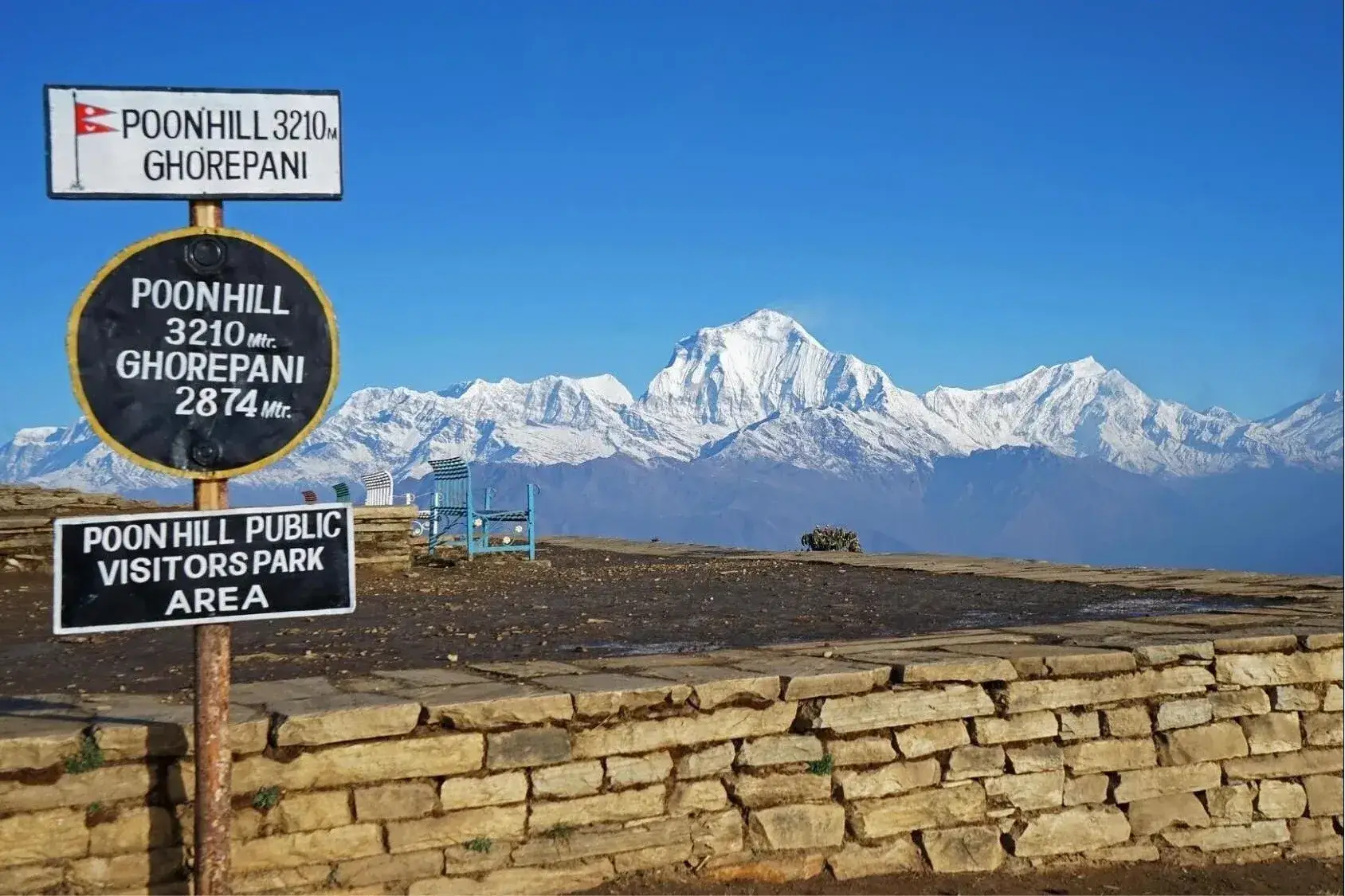
Symptoms become common above roughly 2,500–3,000 m. Kathmandu (about 1,400 m) and Pokhara (about 820 m) are low, and so is the Poon Hill trek (highest point 3,210 m), where serious altitude illness is uncommon. The Annapurna Base Camp trek reaches 4,130 m and the Everest Base Camp trek goes above 5,000 m for several nights, so acclimatisation really matters there.
The ascent rules
The US Centers for Disease Control and Prevention (CDC) recommends that, once above 3,000 m, you increase your sleeping altitude by no more than about 500 m per night, and allow an extra night to acclimatise for every 1,000 m gained. What matters is where you sleep — climbing higher during the day and sleeping lower helps.
- Walk slowly and steadily — your guide sets the pace for a reason.
- Drink plenty of water and eat well, even if your appetite drops.
- Avoid alcohol for the first days at a new altitude.
- Never go higher to sleep while you have symptoms.
How our itineraries apply this
Our 14-day Everest Base Camp itinerary includes two full acclimatisation days — at Namche Bazaar (3,440 m) and Dingboche (4,410 m) — with short hikes to higher ground before returning to sleep. Above Namche, sleeping altitudes rise gradually through Tengboche (3,860 m), Dingboche, Lobuche (4,940 m) and Gorak Shep (5,164 m). The Annapurna Base Camp itinerary climbs over eight trekking days and spends only one night at 4,130 m. On high treks our guides check your blood-oxygen level daily with an oximeter and carry a first-aid kit.
Know the symptoms
Acute mountain sickness (AMS)
A headache plus at least one of: loss of appetite, nausea or vomiting, dizziness, or unusual tiredness. It usually starts within a day of arriving at a new altitude. Mild AMS often settles with rest at the same altitude.
High-altitude cerebral oedema (HACE) — an emergency
Confusion, drowsiness, loss of coordination (stumbling, unable to walk a straight line) or behaving out of character. Descend immediately and get medical help.
High-altitude pulmonary oedema (HAPE) — an emergency
Breathlessness that is out of proportion to the effort, a persistent cough, chest congestion, and later breathlessness even at rest. Descend immediately and get medical help.
When to descend
The golden rule: if symptoms get worse despite resting at the same altitude, go down — even a few hundred metres usually helps quickly. Our guides will make that call for your safety, and helicopter evacuation is arranged through your insurer when needed, which is why insurance covering high-altitude rescue is required for our treks.
Medication
Doctors sometimes prescribe acetazolamide (Diamox) to help prevent altitude sickness, particularly when a rapid ascent can't be avoided. It is a prescription medicine with side effects, so discuss it with your doctor before you travel rather than starting it on the trail.
Frequently asked questions
Can fit people get altitude sickness?
Yes. Fitness does not protect against altitude sickness — ascent rate and individual susceptibility matter far more.
Is altitude sickness a risk on the Poon Hill trek?
The highest point is 3,210 m and you sleep lower, at Ghorepani (2,874 m), so serious altitude illness is uncommon. Mild headaches can still happen; tell your guide.
What if I feel unwell on the trek?
Tell your guide straight away. You will rest at the same altitude, and if symptoms worsen you will descend. Never hide symptoms to keep up with the group.
Sources
Fees and regulations change. These are the references we checked on 17 October 2026 — confirm current details with the official source before you travel.