Nepal travel
Best Time to Visit Nepal: Seasons for Trekking, Safaris and Kathmandu
A season-by-season guide to Nepal — when the mountain views are clearest, when the rhododendrons bloom, the best months for Chitwan and Bardia, and what the monsoon really means.
By Shiva GiriPublished 6 min readFacts checked
Nepal has four distinct seasons, and the right time to come depends on what you want to do. Trekkers chase clear mountain views; wildlife lovers want the Terai's dry season; culture lovers might time a visit around the great festivals. Kathmandu itself is worth visiting all year.
Autumn (late September to November) — the classic trekking season
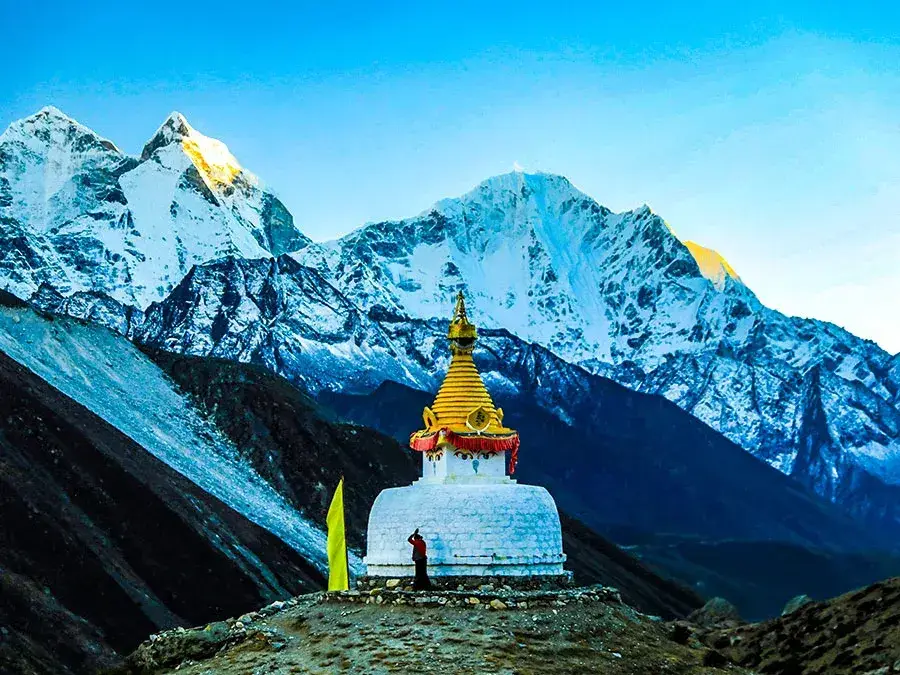
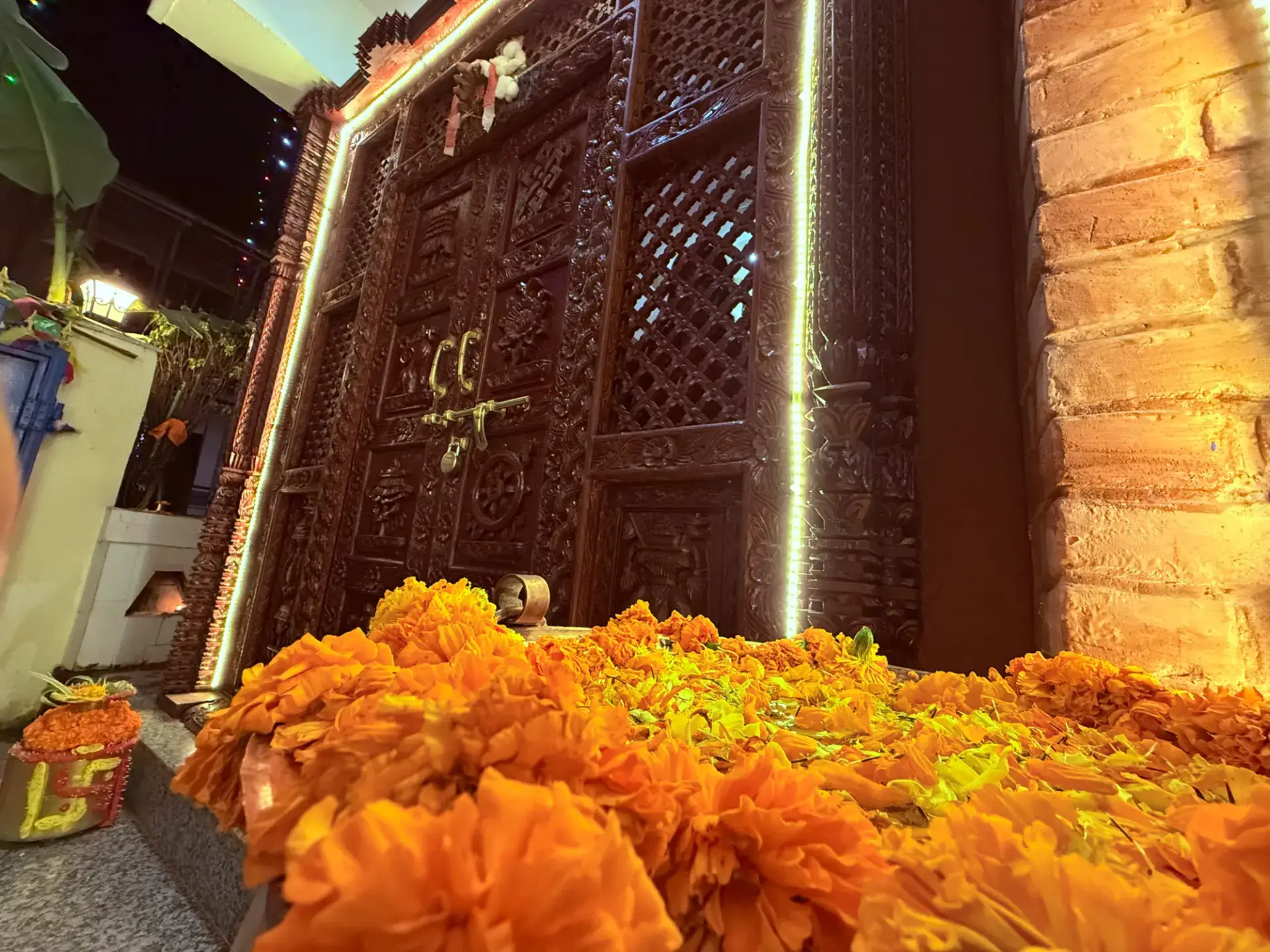
After the monsoon rains clear the air, autumn brings stable weather and the clearest Himalayan views of the year. October and November are the busiest months on the Everest and Annapurna trails, so book flights, permits and teahouses early. Autumn is also festival season: Dashain and Tihar, Nepal's biggest celebrations, usually fall between late September and November (their dates follow the lunar calendar).
Spring (March to May) — rhododendrons and warmer days
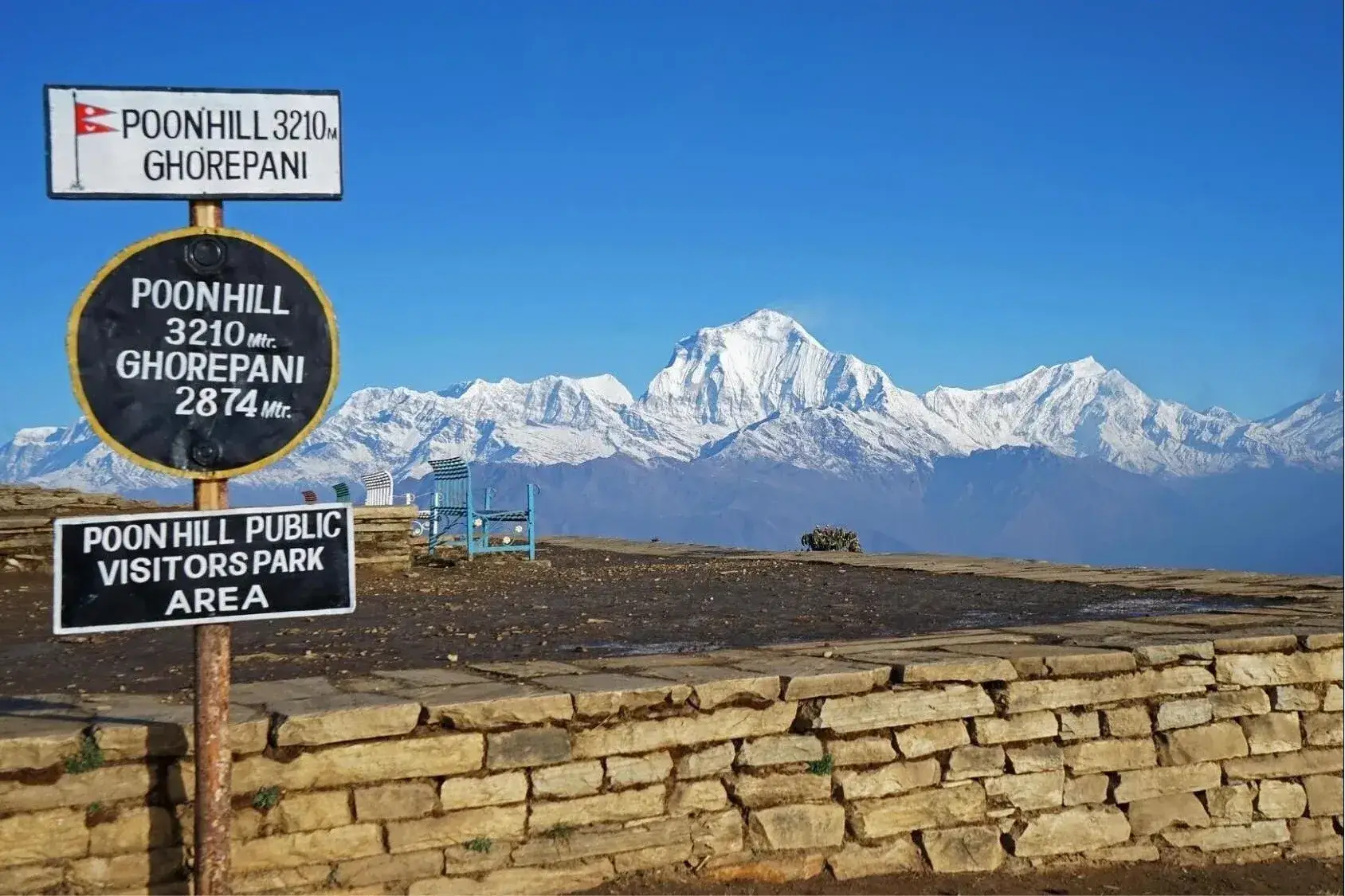
Spring is the second peak season. Days are warmer, and the rhododendron forests around Ghorepani and the Annapurna foothills bloom red and pink from around February to April — the best time for the Poon Hill trek. Haze tends to build towards May, so early spring usually gives better views.
Monsoon (June to mid-September) — green, wet and quiet
The summer monsoon brings heavy rain, especially in the afternoons and at night. Mountain views are often hidden by cloud, lower trails are muddy and leech-prone, and roads can be blocked by landslides. Flights to mountain airstrips are frequently delayed. On the plus side, the hills are lush and green, trails are quiet, and Kathmandu's temples and courtyards are as rewarding as ever.
Winter (December to February) — clear and cold
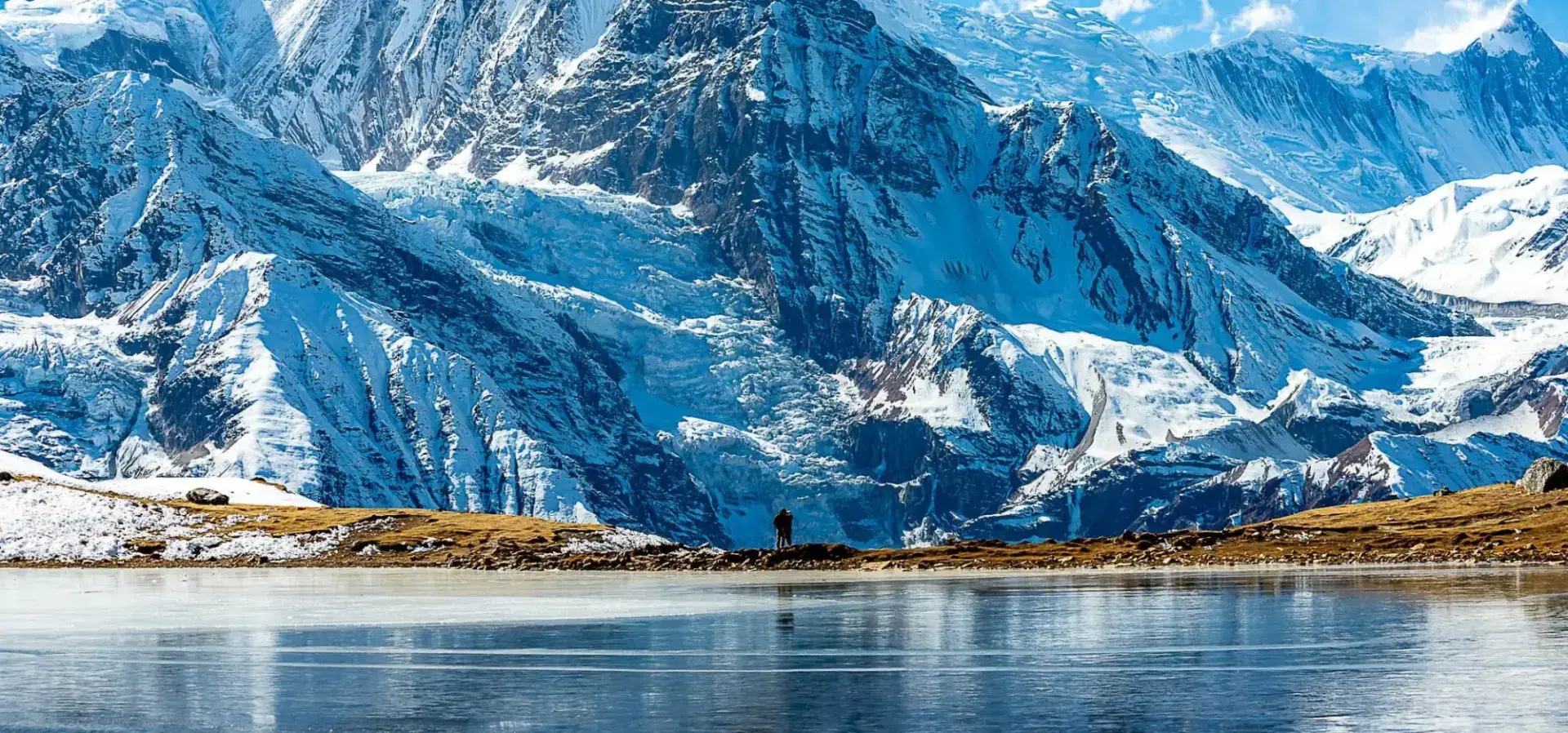
Winter skies are often crisp and clear, with fewer visitors. Lower treks such as Poon Hill are very pleasant, while high routes are cold — nights at Everest Base Camp are well below freezing — and snow can affect the upper Annapurna trail. In Kathmandu, mornings and evenings are chilly (we provide heaters and extra blankets) and the days are sunny.
| Months | High treks (EBC, ABC) | Poon Hill | Chitwan & Bardia | Kathmandu Valley |
|---|---|---|---|---|
| Mar–May | Very good | Excellent (rhododendrons) | Good; hot by April–May | Good |
| Jun–mid Sep | Poor (cloud, rain) | Wet, few views | Monsoon — parts may close | Good, rainy afternoons |
| Late Sep–Nov | Excellent | Excellent | Good from October | Excellent (festivals) |
| Dec–Feb | Cold, clear | Very good | Excellent, cool and dry | Good, cold nights |
Best time for Chitwan and Bardia safaris
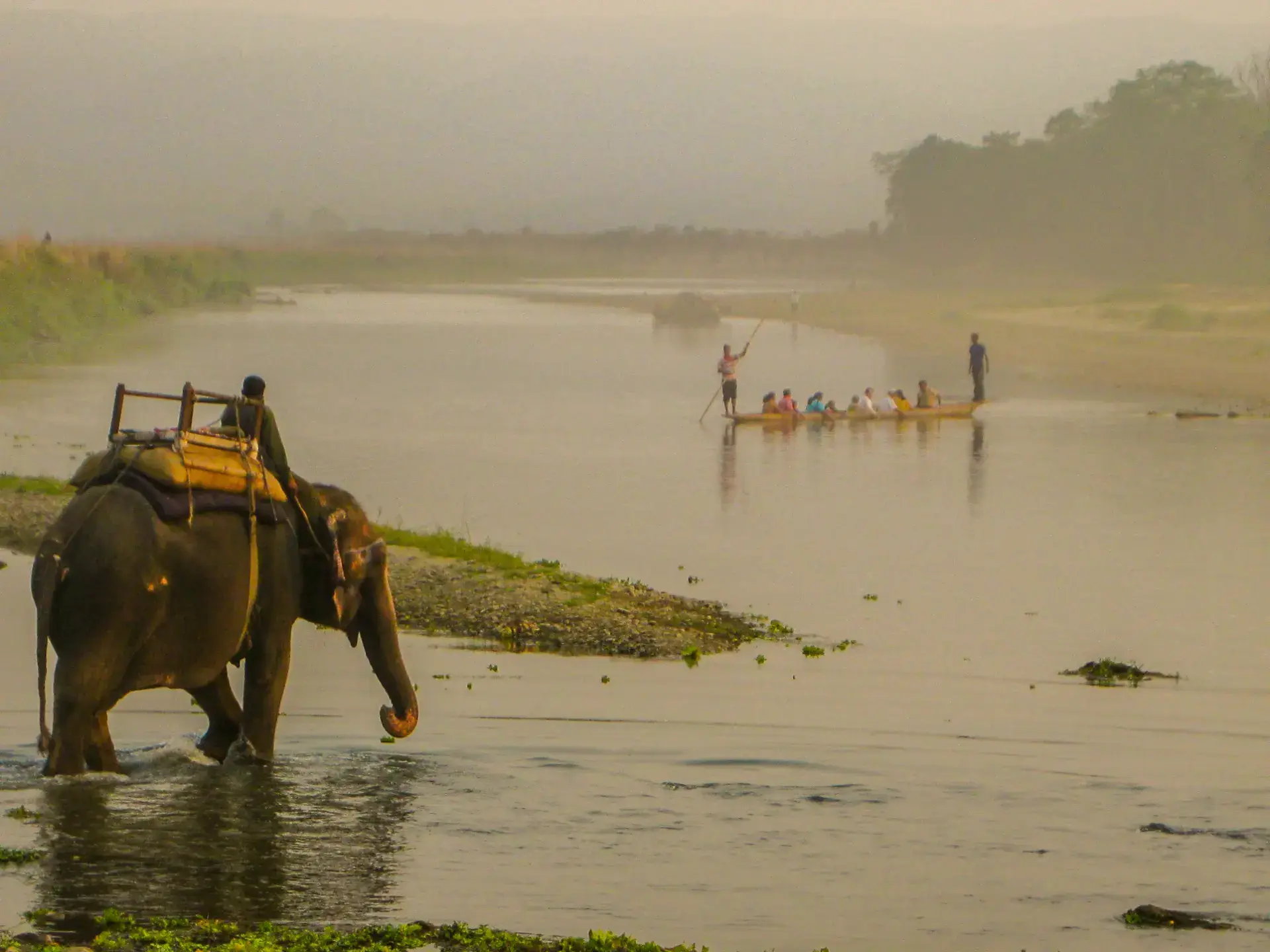
The lowland national parks are most comfortable from October to March, with warm days and cool nights. Visibility often improves from around February, after the tall grasses have been cut, and the hot months of April and May can be excellent for wildlife as animals gather near water — if you can handle temperatures that climb towards the 40s °C. During the monsoon, parts of the parks may close because of flooding.
Our recommendation
- First trek in the Himalaya: October–November, or March–April.
- Poon Hill for flowers: March–April.
- Combining trekking and a safari: October–November or February–March.
- Avoiding crowds: late February, early December, or a cultural trip in the monsoon.
Frequently asked questions
What is the best month to trek to Everest Base Camp?
October and November usually give the clearest views and most stable weather; March to May is the second-best window.
Can I visit Nepal during the monsoon?
Yes. Kathmandu and cultural tours work well, but expect rain, cloud over the mountains and possible travel delays. High treks are not recommended for most visitors in the monsoon.
When are Dashain and Tihar?
They follow the lunar calendar. Dashain usually falls in late September or October and Tihar a few weeks later, in October or November. Check the dates for your year before booking, as some businesses close during Dashain.
Sources
Fees and regulations change. These are the references we checked on 17 October 2026 — confirm current details with the official source before you travel.