Trek planning
Everest Base Camp Trek for Beginners: How to Prepare
Never trekked before? What the Everest Base Camp trek is really like, how fit you need to be, a simple training plan, and how a well-paced itinerary keeps you safe.
By Shiva GiriPublished 7 min readFacts checked
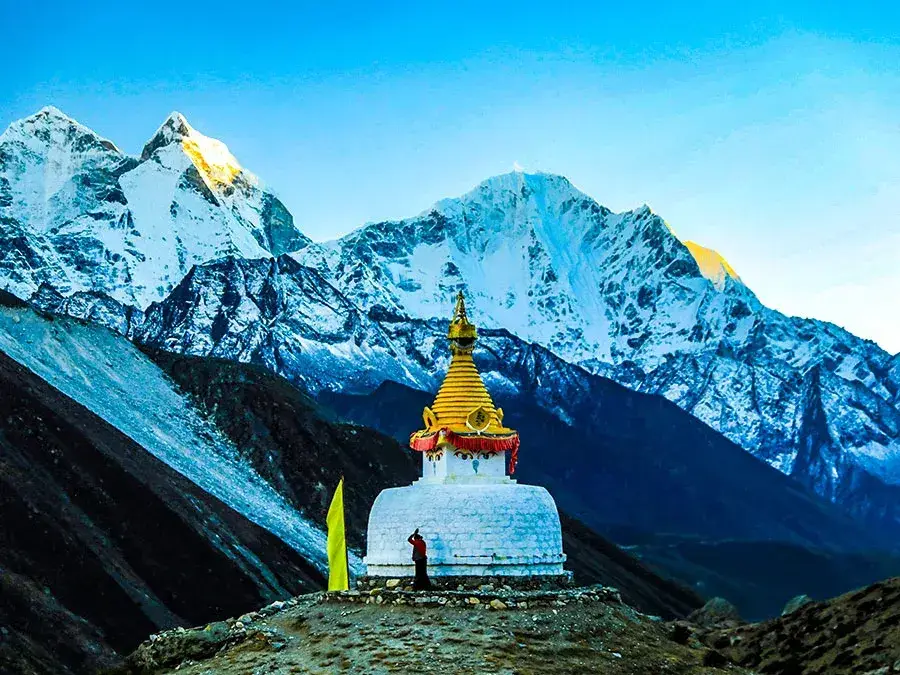
You don't need climbing experience to reach Everest Base Camp. No ropes or technical skills are involved — it's a long walk on established trails, staying in teahouses. What makes it hard is the altitude and the number of days on your feet. With preparation and a sensible itinerary, many first-time trekkers make it every season.
What a trekking day looks like
- Breakfast around 7:00, walking by 8:00.
- 5–7 hours of walking on most days, with breaks and lunch on the trail.
- Afternoon arrival at the next teahouse, rest, and a short acclimatisation walk.
- Dinner around 18:30 and an early night — evenings above 4,000 m are cold.
How fit do you need to be?
You should be comfortable walking for several hours, several days in a row, including long climbs and descents. Cardio fitness and leg strength matter more than speed.
A simple 12-week training plan
| Weeks | Focus |
|---|---|
| 1–4 | 3 cardio sessions a week (brisk walking, cycling, swimming) of 30–45 minutes; one longer weekend walk |
| 5–8 | Add stairs or hills, and a weekend hike of 3–5 hours with a light day pack |
| 9–12 | Back-to-back weekend hikes with your boots and pack; leg strength (squats, lunges, step-ups) |
Check with your doctor before starting a new training programme, especially if you have a medical condition.
Altitude: the real challenge
Altitude sickness can affect anyone, regardless of fitness. Our 14-day itinerary includes two acclimatisation days, at Namche Bazaar and Dingboche, and your guide checks your oxygen saturation daily. The most important rules: go up slowly, tell your guide about symptoms, and never climb higher with symptoms.
Choose the right season
October–November and March–May have the most stable weather. Autumn has the clearest views; spring is warmer. Winter is possible but very cold at altitude.
Beginner mistakes to avoid
- Brand-new boots — break them in on your training hikes.
- Rushing the itinerary to save a day or two.
- No spare day in Kathmandu for delayed Lukla flights.
- Insurance that doesn't cover trekking altitude and helicopter rescue.
- Carrying too much — keep your day pack light; your porter carries the rest.
Frequently asked questions
Can a beginner do the Everest Base Camp trek?
Yes. No technical skills are required. Train for a few months, choose a well-paced itinerary with acclimatisation days, and trek with a licensed guide.
Is there an easier trek to start with?
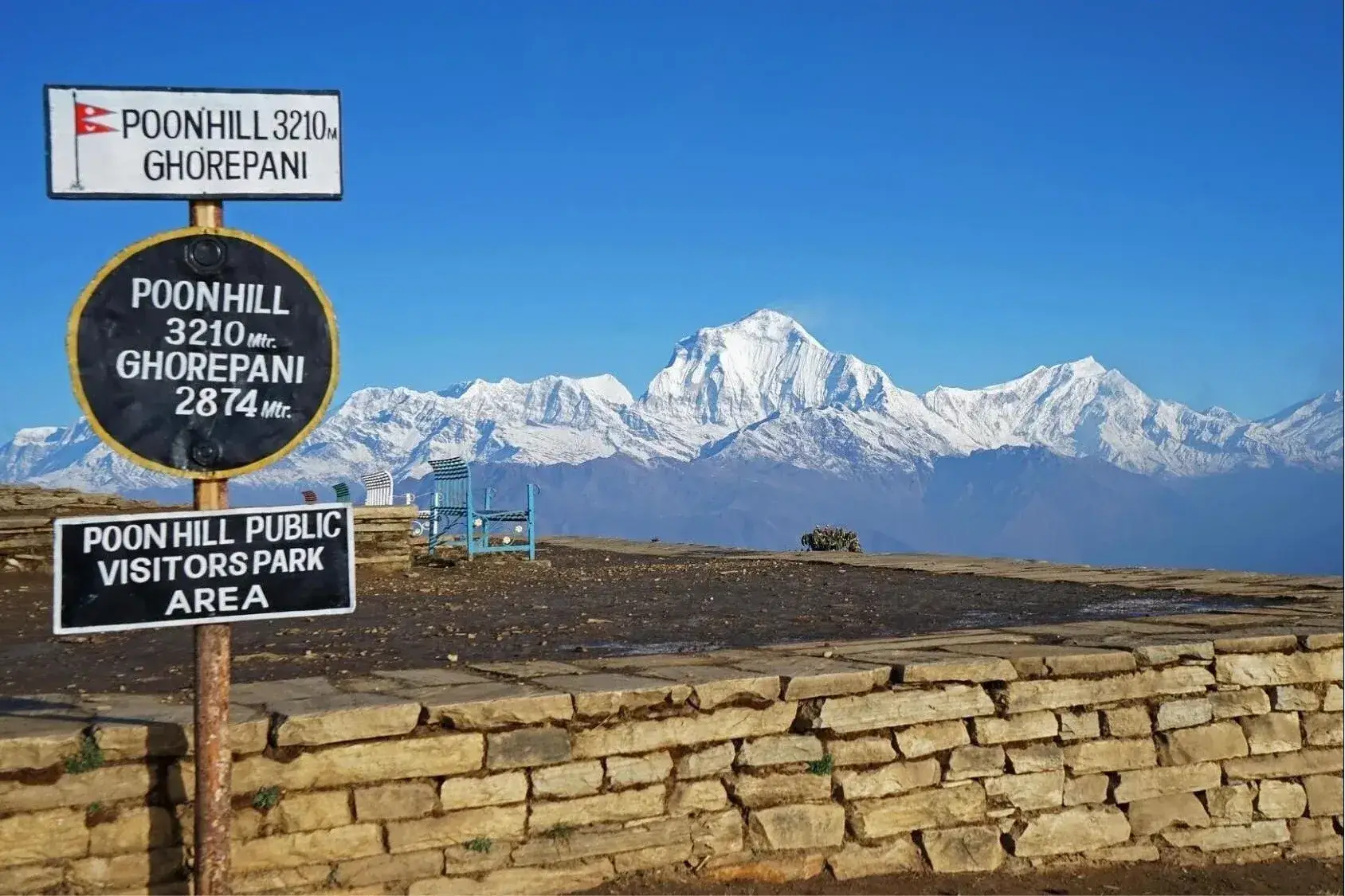
Yes — the 6-day Poon Hill trek is the most beginner-friendly classic trek and reaches 3,210 m.
Sources
Fees and regulations change. These are the references we checked on 18 October 2026 — confirm current details with the official source before you travel.