Trek planning
Travel Insurance for Trekking in Nepal: What Your Policy Must Cover
Altitude limits, helicopter rescue and the small print that catches trekkers out — a checklist for choosing insurance for Everest, Annapurna and Poon Hill.
By Shiva GiriPublished 6 min readFacts checked
Insurance is the least exciting part of planning a trek, and the one you most need to get right. On a high-altitude trek, a helicopter is often the only quick way down if someone becomes seriously ill, and a rescue can cost several thousand US dollars. Insurance that covers it is a condition of joining our Everest and Annapurna treks — here is what to look for.
1. The maximum altitude
Many standard travel policies stop covering trekking at 3,000 m or 4,000 m. That is fine for some lower routes but not for the big base camp treks. Check the altitude limit against the highest point of your route:
| Trek | Highest point | Cover to at least |
|---|---|---|
| Everest Base Camp | Kala Patthar, about 5,545 m | 6,000 m |
| Annapurna Base Camp | About 4,130 m | 4,500 m or more |
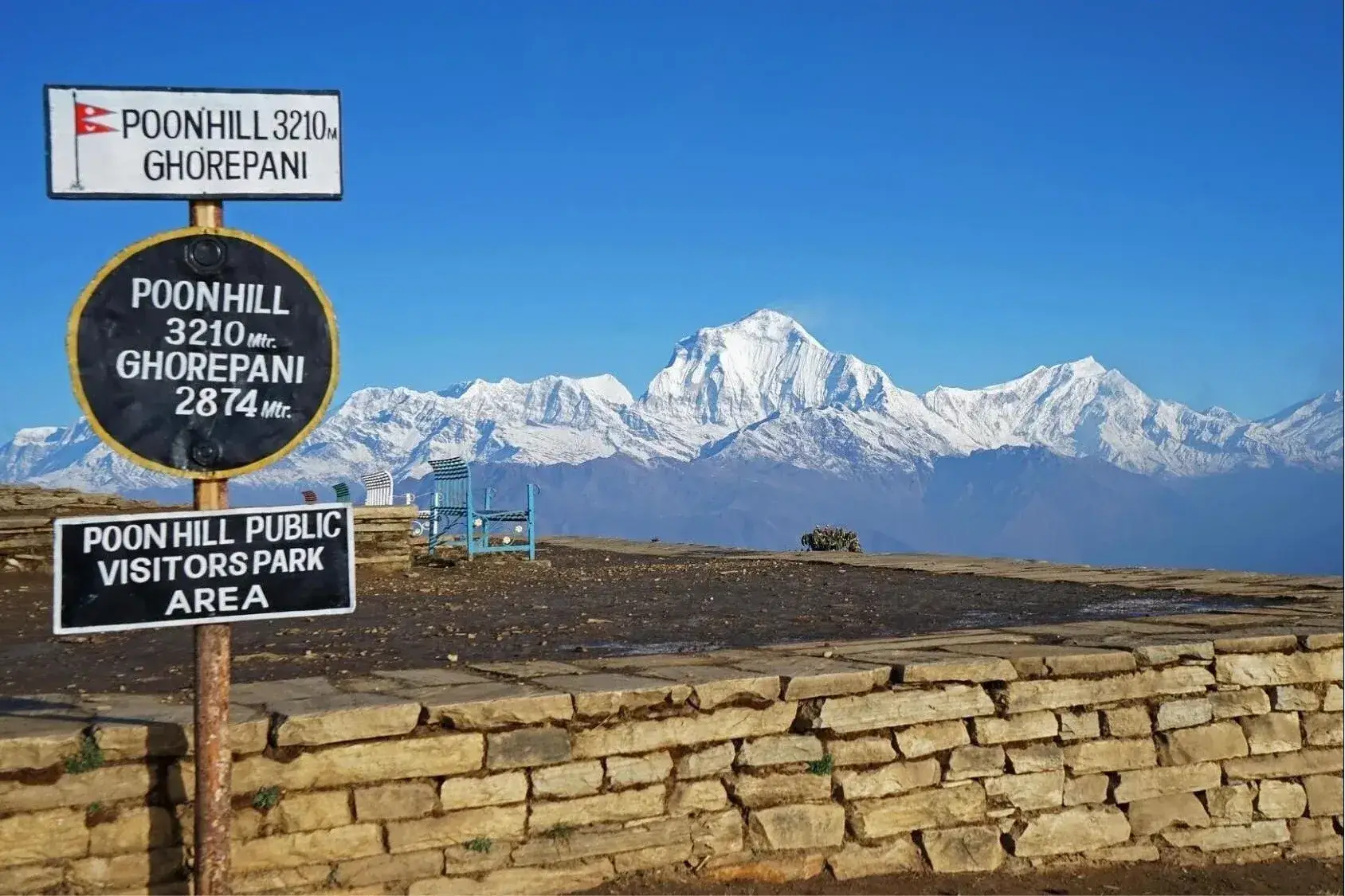
| Poon Hill | About 3,210 m | 4,000 m to be safe |
Many specialist policies cover trekking up to 6,000 m; anything above that is usually treated as mountaineering and needs separate cover.
2. Helicopter evacuation
Make sure emergency evacuation and repatriation are included, and that the limit is high enough. Check that helicopter rescue is covered at the altitude you will be trekking — some policies cover medical treatment but exclude the evacuation itself, or only cover it below a certain height.
3. Medical treatment
Look for a generous medical limit that includes hospital treatment in Kathmandu and, if needed, transfer to another country. Note the 24-hour emergency phone number and policy number and share them with your guide — they will need them to request a rescue.
4. Cancellation and delays
Mountain flights, especially to Lukla, are often delayed by weather. Cover for trip delay, missed connections and cancellation helps if you lose days at either end of the trek.
Small print to check
- Whether trekking is included as standard or needs an add-on.
- Whether a licensed guide is required for cover to apply (it is now required on most routes in Nepal anyway).
- Exclusions for pre-existing conditions — declare them.
- Whether some regions, such as the Everest area, are excluded.
- Age limits and how long you can be away from home.
- Theft and baggage cover for cameras and electronics.
What we ask for
Before your trek we ask for your insurer's name, policy number and emergency phone number. Your guide carries them. If you show signs of serious altitude sickness, the guide decides when to descend and, if needed, contacts your insurer to arrange evacuation.
Frequently asked questions
Do I need travel insurance to trek in Nepal?
We require insurance that covers trekking altitude and helicopter rescue for our Everest Base Camp and Annapurna Base Camp treks. Sources disagree on whether permit offices check it, but trekking without it is a serious risk.
What altitude should my insurance cover for Everest Base Camp?
At least 6,000 m. Kala Patthar, the highest point on the trek, is about 5,545 m.
How much does a helicopter rescue cost in Nepal?
Commonly quoted figures run from about USD 3,000 to well over USD 10,000, depending on where you are picked up and the weather.
Sources
Fees and regulations change. These are the references we checked on 5 November 2026 — confirm current details with the official source before you travel.