Culture
Kathmandu Durbar Square: A Visitor's Guide to Basantapur and Hanuman Dhoka
The old royal palace, the house of the living goddess Kumari and dozens of pagoda temples — what to see in Kathmandu Durbar Square, the ticket, and how to plan your visit.
By Shiva GiriPublished 6 min readFacts checked
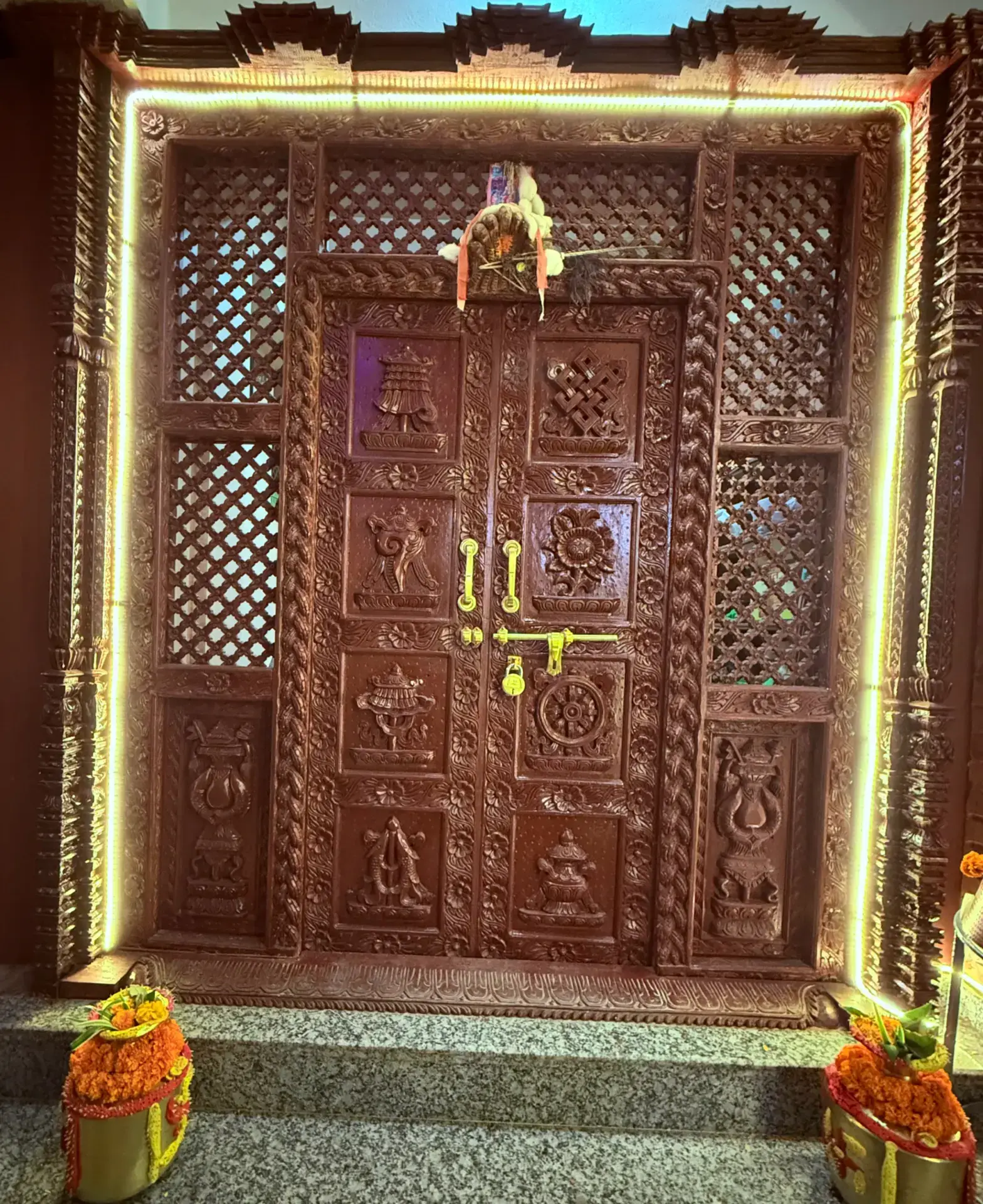
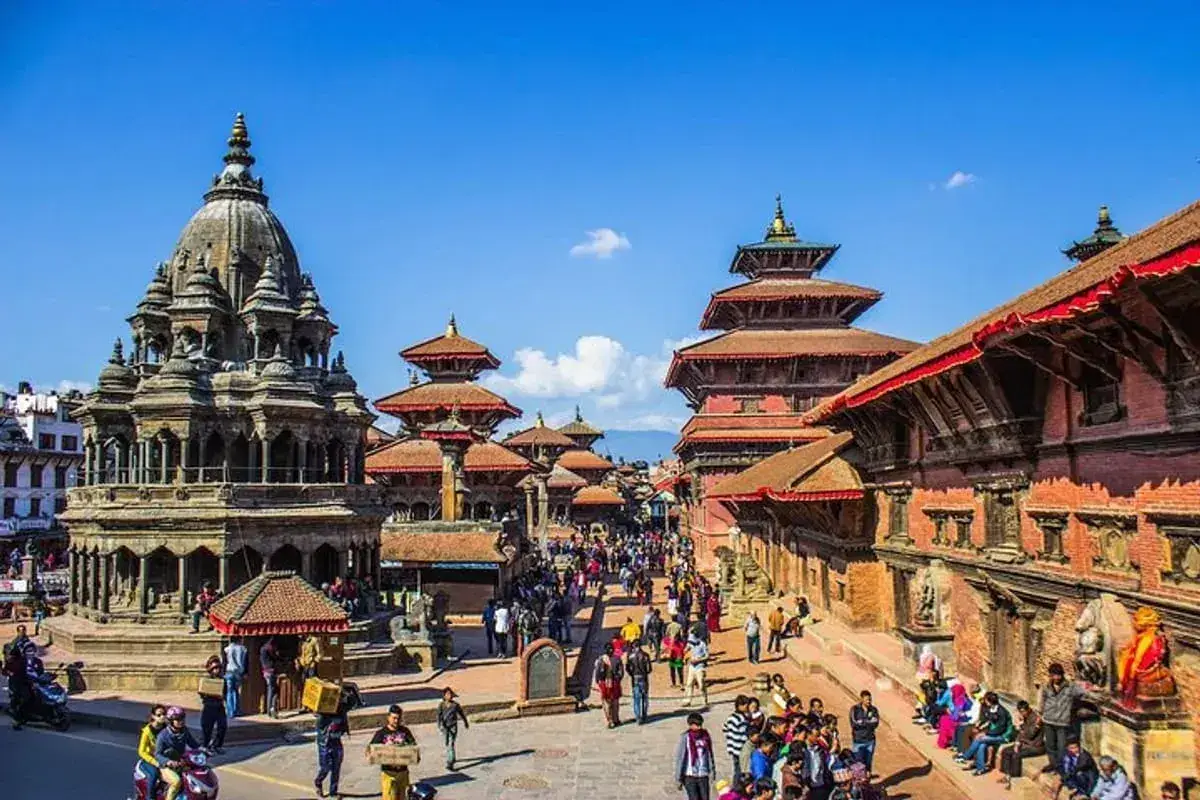
Kathmandu Durbar Square — also called Basantapur or Hanuman Dhoka — was the seat of the city's kings for centuries. It is one of the seven monument zones that make up the Kathmandu Valley UNESCO World Heritage Site, and a place where daily life carries on among temples, pigeons and market stalls.
What to see
- Hanuman Dhoka Palace: the old royal palace, named after the red-cloaked statue of Hanuman at its gate. Its courtyards and museum tell the story of the Malla and Shah kings.
- Kumari Ghar: the carved house of the Kumari, the young girl worshipped as a living goddess. Visitors may enter the courtyard; she sometimes appears at the window.
- Kasthamandap: the ancient wooden pavilion that is said to have given Kathmandu its name, rebuilt after the 2015 earthquake.
- Taleju Temple: the tallest temple in the square, dedicated to the royal family's goddess and opened to the public only on special days.
- Kal Bhairav: a huge, fierce carved image of Shiva — one of the most photographed sights in the square.
- Basantapur Square: the open plaza where traders sell jewellery, singing bowls and souvenirs.
Tickets
Foreign visitors buy a ticket at the counters on the edge of the square; most current sources quote NPR 1,000, with a lower rate for SAARC nationals. The ticket generally includes the Hanuman Dhoka palace museum. Keep it with you — it is checked as you move around. Fees change, so confirm at the counter.
When to go
Early morning is the best time: the light is soft, worshippers bring offerings, and tour groups have not yet arrived. Late afternoon is also lovely. The square is especially lively during Indra Jatra in late summer, when the Kumari is carried through the streets in a chariot — wonderful, but very crowded.
Etiquette
- Walk clockwise around temples and shrines.
- Remove shoes where you see others doing so, and ask before entering any shrine.
- Do not photograph the Kumari — it is not allowed.
- Dress modestly, with shoulders and knees covered.
- Don't touch offerings or sit on temple steps that are in use for worship.
Make it part of a walk
From the square, walk north through Indra Chowk and Asan, the old market streets, to Thamel. It takes 20–30 minutes on foot and passes some of the city's most atmospheric shrines and spice stalls. From Sacred Trails in Budhanilkantha, the square is about 35–45 minutes by car.
Frequently asked questions
How much is the entry fee for Kathmandu Durbar Square?
Most current sources quote NPR 1,000 for foreign visitors, with a lower rate for SAARC nationals. Confirm at the ticket counter, as fees change.
Can I see the Kumari?
You can enter the courtyard of the Kumari Ghar, and she sometimes appears at the window. Photographing her is not allowed.
How long do I need at Kathmandu Durbar Square?
Two to three hours is enough for the square and the palace museum. Add an hour to walk on through Asan to Thamel.
Sources
Fees and regulations change. These are the references we checked on 5 November 2026 — confirm current details with the official source before you travel.