Culture
Meditation and Spiritual Centres near Budhanilkantha
Vipassana retreats, Tibetan Buddhist monasteries and Hare Krishna chanting — where to practise in the northern Kathmandu Valley, and how to prepare.
By Shiva GiriPublished Updated 6 min read
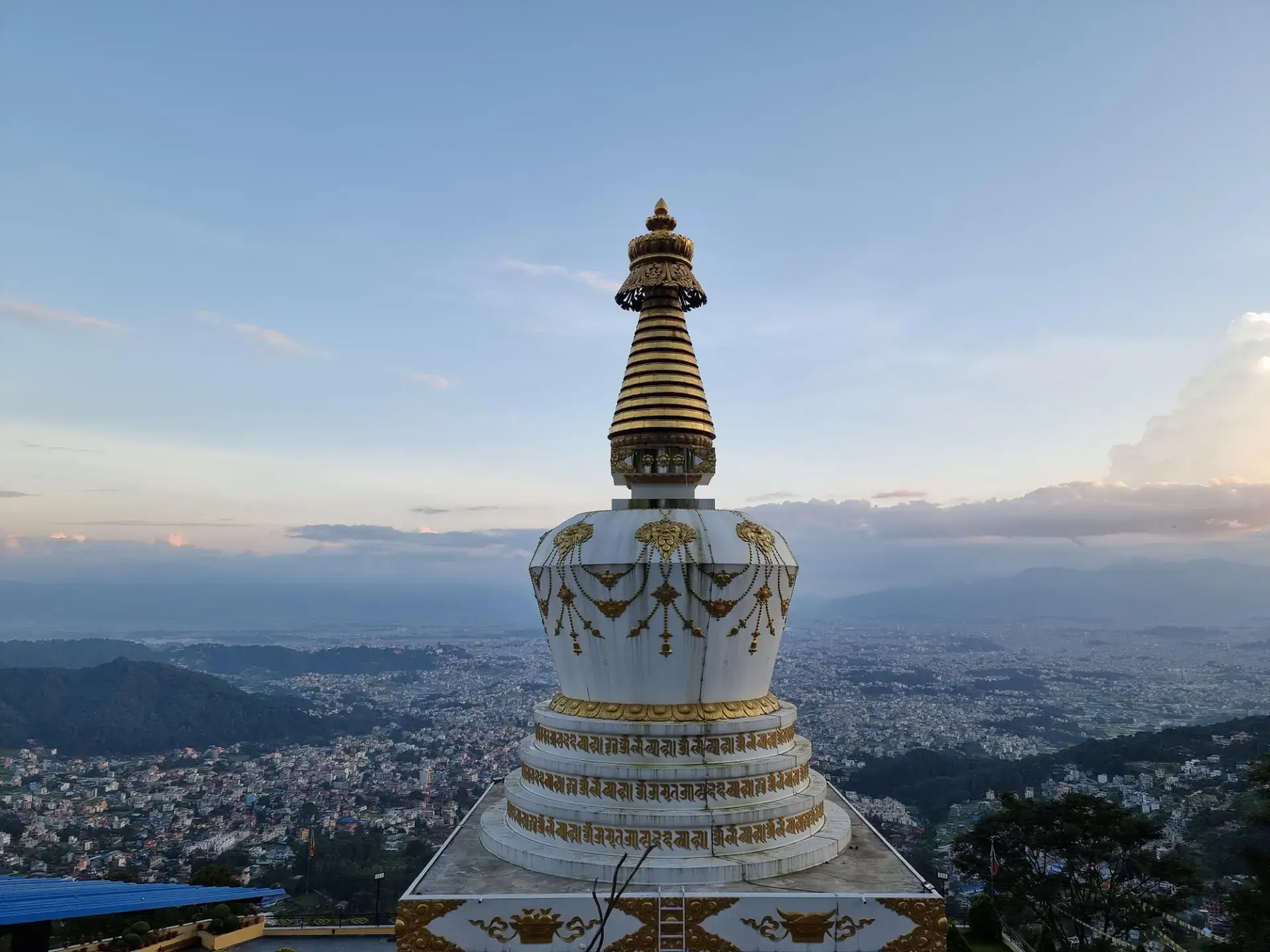
Kathmandu draws people from all over the world not only for its temples and mountains but for meditation. The northern valley, around Budhanilkantha and the Shivapuri hills, is especially rich in retreat centres and monasteries — and its quiet streets make it a natural place to stay before and after a course.
Vipassana meditation
Vipassana, often described as one of the oldest Buddhist meditation techniques, trains attention on the breath and bodily sensations and on observing thoughts without reacting. Courses in the tradition taught by S. N. Goenka are typically ten-day silent residential retreats, offered on a donation basis.
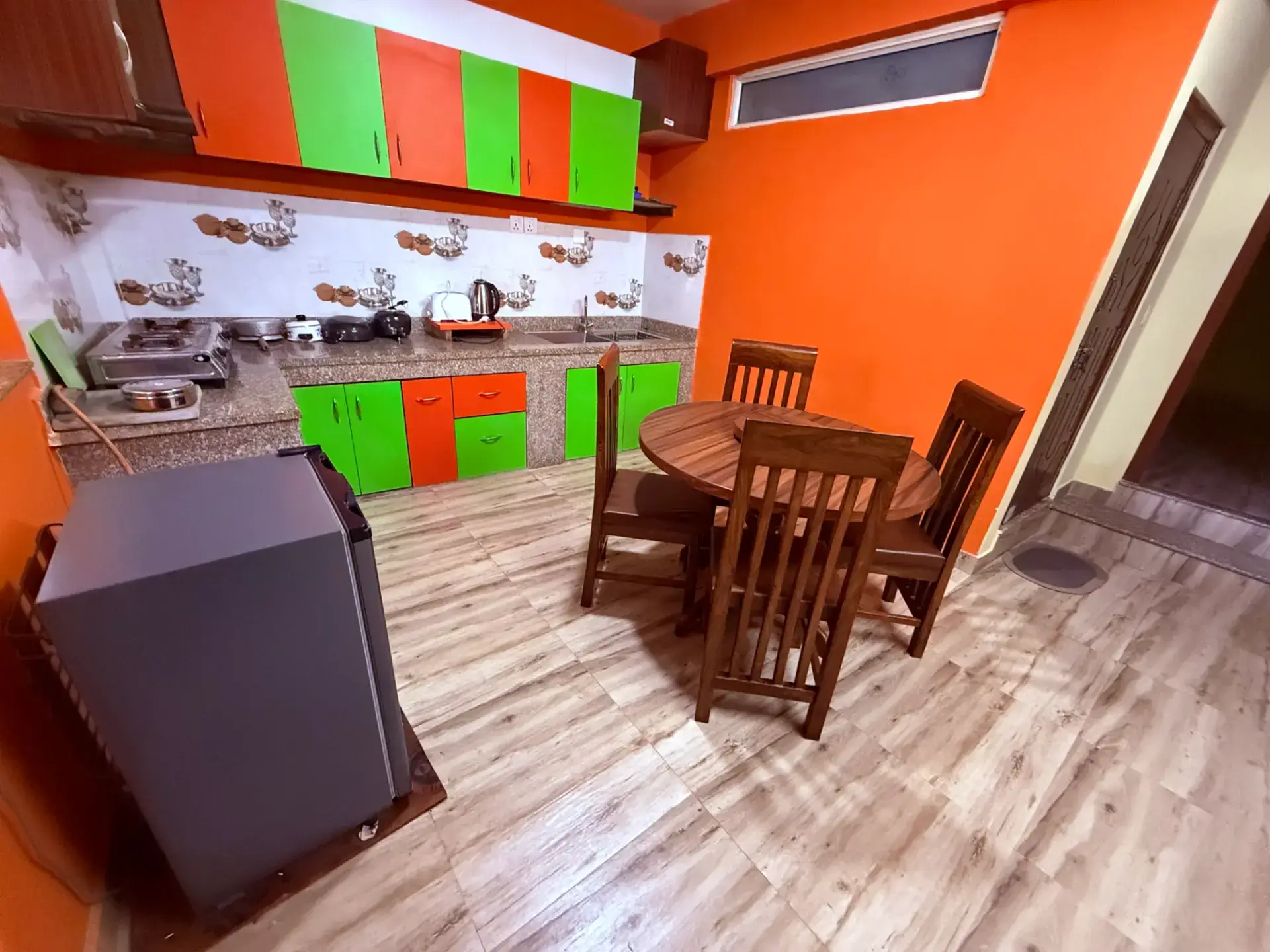
Nepal's main Vipassana centre, Dharmashringa, sits in the hills above Budhanilkantha. Courses fill up well in advance, so apply early through the official Dhamma website. Many students stay with us for a night or two before the course to rest after their flight, and again afterwards to readjust gently.
Tibetan Buddhist monasteries
The valley's Tibetan and Newar Buddhist traditions offer everything from drop-in guided sessions to multi-week courses. Kopan Monastery, on a hill north of Boudhanath, is known for its introductory courses in Buddhism and meditation. Higher up, inside Shivapuri National Park, Nagi Gompa is a nunnery and retreat centre reached by a forest walk from Budhanilkantha. Common practices include mindfulness, compassion (metta) meditation, breathing exercises and walking meditation.
Hare Krishna (ISKCON)
In the ISKCON tradition, meditation takes the form of chanting, prayer and study. Temples in and around Kathmandu welcome visitors to daily kirtan, talks, group meditation and simple vegetarian meals — no belief or experience needed.
Why Budhanilkantha suits meditation travellers
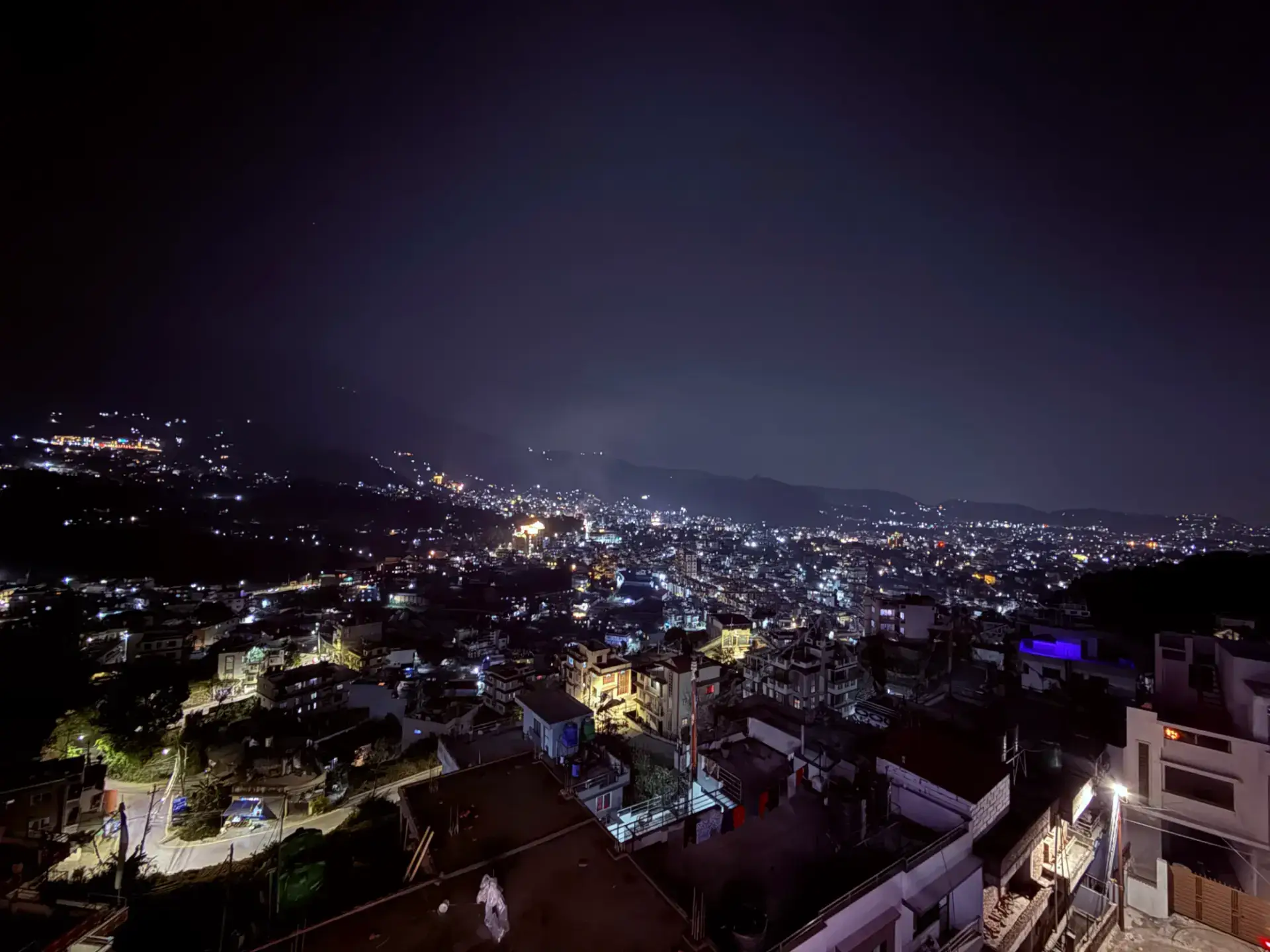
- It is one of the quietest parts of Kathmandu, with less traffic and noise.
- Forest walks in the Shivapuri hills are perfect for walking meditation.
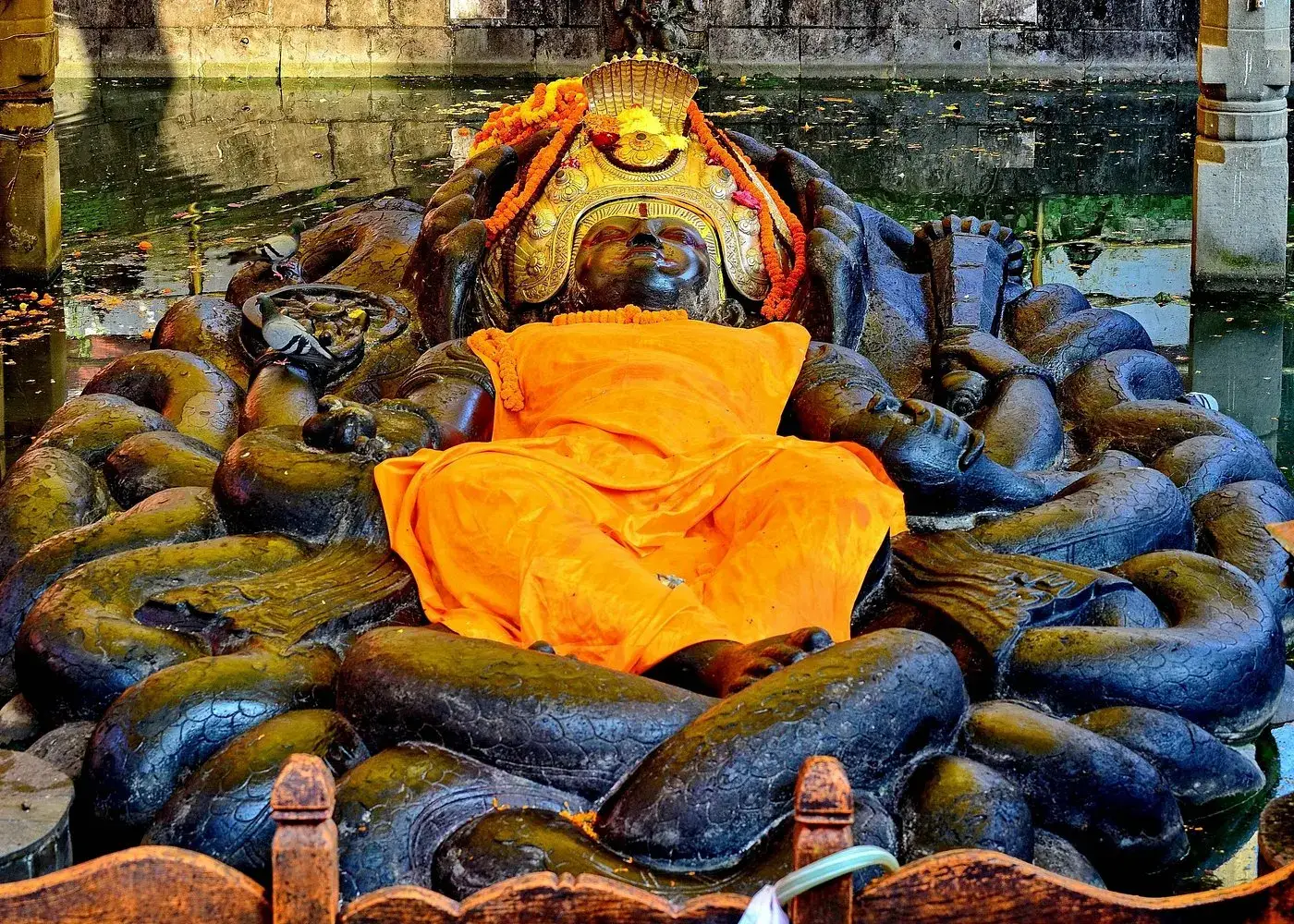
- Budhanilkantha Temple and several monasteries are close by.
- Mornings are cool and calm — ideal for practice on our rooftop.
When to come
Spring (March–May) brings fresh air and pleasant weather; autumn (September–November) brings clear skies. Early mornings and evenings are the most peaceful times to practise, whatever the season.