Nepal travel
Staying Healthy in Kathmandu: Water, Food, Air and Pharmacies
Simple habits that keep travellers well in Kathmandu — safe drinking water, eating out, dust and air quality, pharmacies and what to do if you feel unwell.
By Shiva GiriPublished 5 min readFacts checked
Most visitors to Kathmandu stay perfectly well with a few sensible habits. These are the tips we give our own guests — and none of them get in the way of enjoying street food and temple visits.
Drinking water
- Don't drink tap water, and use treated or bottled water to brush your teeth if you have a sensitive stomach.
- Bottled water is sold everywhere — check the seal is unbroken.
- A reusable bottle with a filter, or purification tablets, cuts plastic waste and is essential on treks.
- Hot drinks such as tea are made with boiled water and are generally safe.
Eating out
Busy places are the safest bet: food is freshly cooked and turns over quickly. Hot, freshly cooked dishes such as dal bhat, momos and noodles are a better choice than salads or cut fruit that may have been washed in tap water. Wash your hands or use sanitiser before eating. Take it easy for the first couple of days while your stomach adjusts.
Dust and air quality
Kathmandu sits in a bowl-shaped valley, so dust and smoke can build up, especially in the dry months from late autumn to spring. Air is usually clearest after rain and during the monsoon. If you have asthma or are sensitive to pollution, pack a good mask for traffic-heavy areas and check the daily air-quality index.
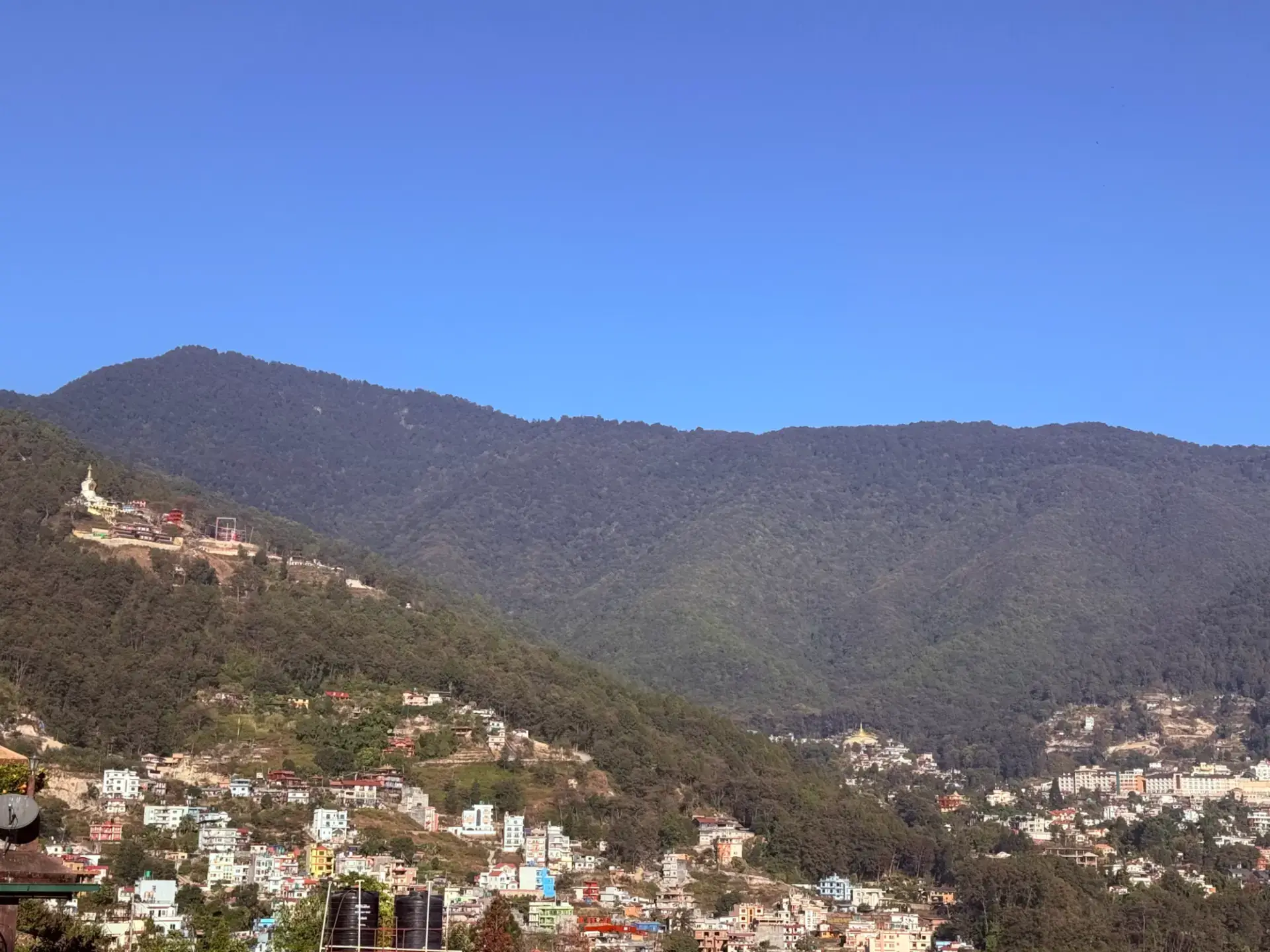
Budhanilkantha, at the foot of Shivapuri forest on the valley's northern edge, is greener and quieter than the city centre — one of the reasons trekkers like to rest here before and after the mountains.
Pharmacies and doctors
Pharmacies are found on almost every main road and can help with everyday problems such as stomach upsets, colds and blisters. For anything more serious, Kathmandu has private hospitals and clinics experienced with travellers. If you feel unwell during your stay, tell us — we can help you find the right clinic and arrange transport.
Useful numbers
| Service | Number |
|---|---|
| Police | 100 |
| Ambulance | 102 |
| Tourist Police | 1144 |
Small things that help
- Bring sunscreen and sunglasses — the sun is strong, especially at altitude.
- Carry a basic kit: rehydration salts, plasters, painkillers and any prescription medicines.
- Kathmandu is about 1,400 m above sea level — drink plenty of water and go easy on the first day.
- Get travel insurance that covers medical treatment, and trekking if you plan to hike.
Frequently asked questions
Can you drink tap water in Kathmandu?
No. Use bottled, filtered or purified water. Tea and other drinks made with boiled water are generally fine.
When is air pollution worst in Kathmandu?
Usually in the dry months from late autumn to spring. Air is clearest after rain and during the monsoon.
What is the tourist police number in Nepal?
1144. For police dial 100 and for an ambulance 102.
Sources
Fees and regulations change. These are the references we checked on 5 November 2026 — confirm current details with the official source before you travel.